By the end of Part 2, the platform looks ready:
- branding is in place,
- payments work,
- the site feels legitimate.
But there is still a missing piece.
Before you start acquiring users, you need to answer one very simple question:
Why should anyone register now?
Traffic without a reason to stay is wasted effort. This article sits intentionally between configuration and acquisition, because activities and incentives must exist before users arrive.
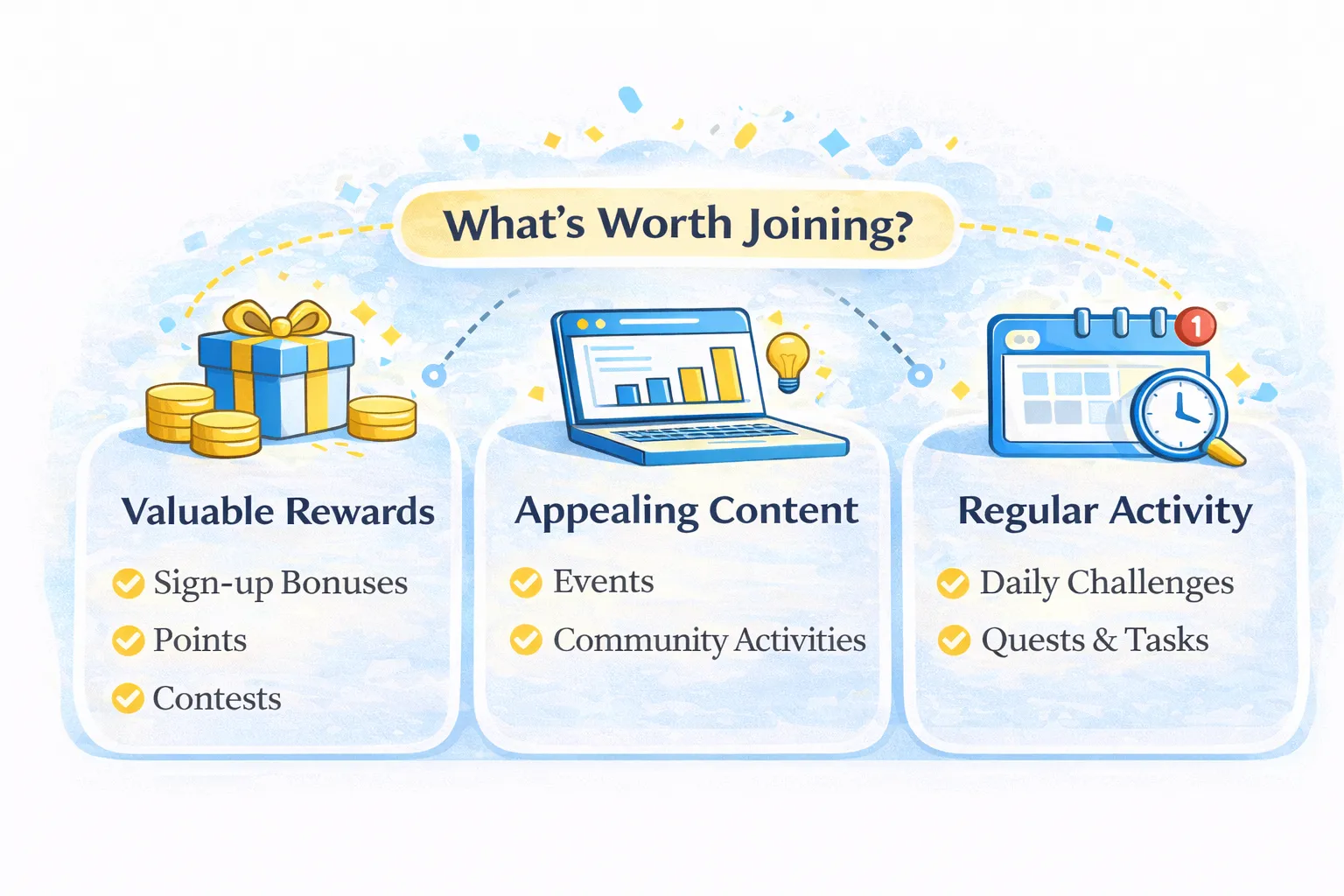
Activities Come Before Acquisition
One of the most common mistakes I’ve seen is this:
- traffic comes first,
- activities are “figured out later”.
This creates a bad first impression:
- users register,
- see nothing interesting,
- and leave — often permanently.
I treat activities as part of the product, not as marketing decorations.
What Activities Are Not
Before discussing what to build, it’s important to clarify what I deliberately avoid.
Early-stage activities should not be:
- complex bonus matrices,
- aggressive wagering requirements,
- short-term gimmicks designed only for volume.
Those attract the wrong users early and create operational debt.
At this stage, the goal is learning and retention, not exploitation.
Core Activity Types I Prepare First
Before acquiring users, I make sure at least a few basic, understandable activities exist.
1. Welcome Incentives
This is not about generosity, it’s about orientation.
A good welcome incentive:
- explains what kind of platform this is,
- sets expectations clearly,
- and encourages the first meaningful action.
Clarity matters more than size here.
2. First-Deposit or First-Action Rewards
The purpose of early rewards is simple:
- help users complete their first full journey,
- observe behavior patterns,
- and validate payment and wallet flows.
If users cannot smoothly complete:
register → deposit → play → withdraw
then scaling acquisition is irresponsible.
3. Simple Ongoing Activities (Not Promotions)
I prefer predictable, boring activities early on:
- weekly small rewards,
- transparent rules,
- stable conditions.
These build habit and trust.
If users can’t explain the rules back to you, the activity is too complicated.
Activity Design Principles I Always Follow
No matter what activity is implemented, I apply a few non-negotiable rules:
- Rules must be readable in one screen
- Rewards must match system capability
- Risk exposure must be measurable
- Operations must handle edge cases
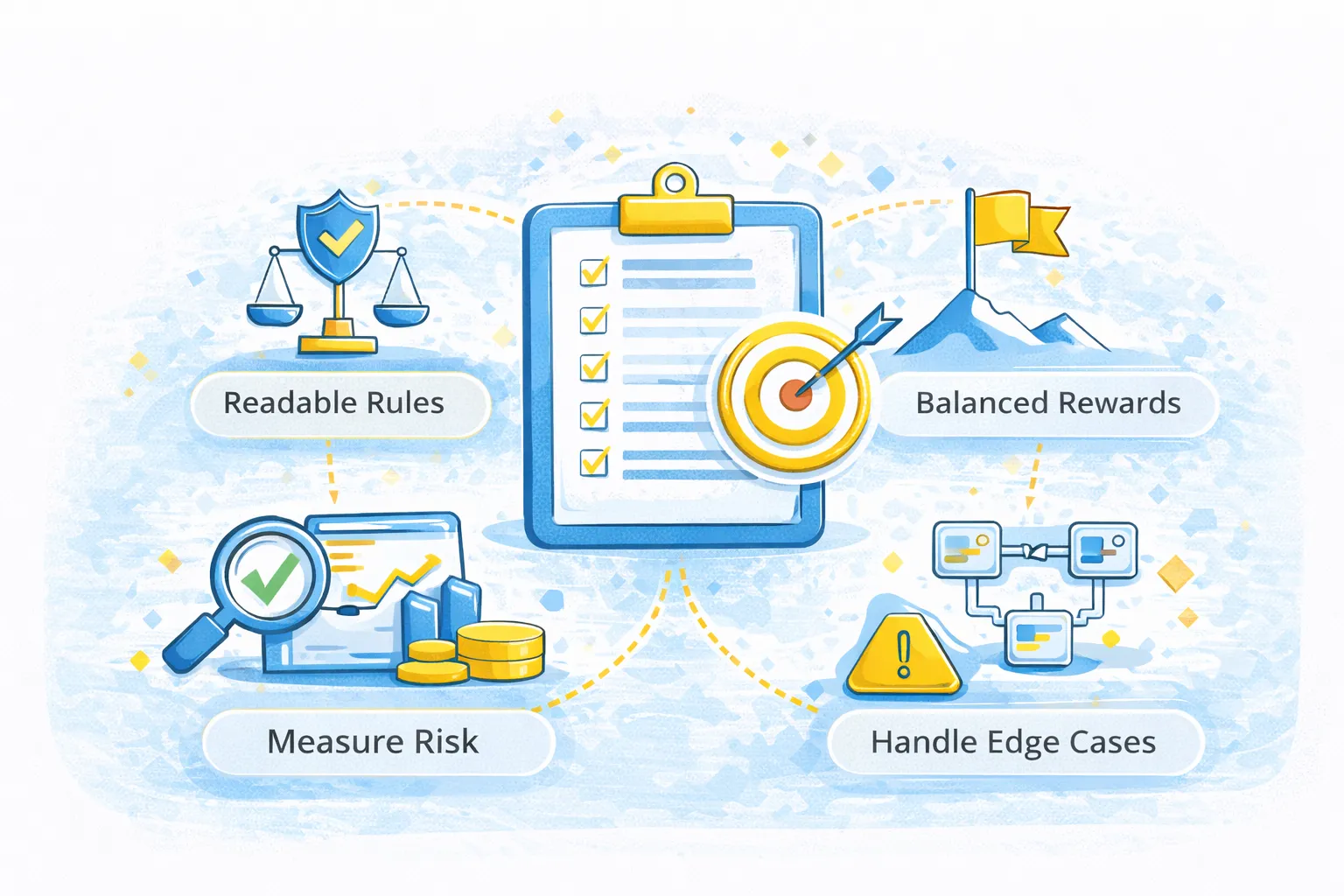
Activities are not just front-end ideas, they are system events that affect:
- balances,
- reporting,
- disputes,
- and risk signals.
If operations can’t explain an activity, it shouldn’t exist.
Why This Comes Before User Acquisition
When acquisition starts, traffic will:
- amplify weaknesses,
- expose unclear rules,
- and test operational discipline.
If activities are not ready:
- agents will complain,
- users will misunderstand,
- and support load will spike immediately.
That’s why I finalize basic activity logic first, even with low user numbers.
How I Know I’m Ready to Move On
I don’t move to acquisition until:
- activity rules are final,
- reward flows are tested,
- finance and risk understand the mechanics,
- and I can confidently explain everything in one conversation.
Only then does traffic make sense.
Closing Thoughts
Activities are not there to “increase conversion”.
They exist to define how your platform behaves when users interact with it.
If you don’t define that behavior early, your users will, and not in your favor.
In the next article, I’ll move forward to:
Part 4: Getting Your First Users — Acquisition Without Losing Control
Traffic is easy. Understanding it is hard.