In the previous article, I covered the structural foundation: creating the company, operator, and the first site — BetQ.
At that point, the system technically exists, but it is not launch-ready.
This second step is what many people underestimate. They think it’s just “visual setup”, but in reality, these configurations directly affect user trust, conversion, and payment success.
In this article, I’ll walk through the core pre-launch configurations I focus on:
- Logo & Site Title
- Social Media Configuration
- Banner Setup
- Payment Configuration

None of these are complicated, but all of them are easy to get wrong.
1. Logo & Site Title: Trust Is Built in the First 3 Seconds
The logo and site title are the first signals of legitimacy a user receives.
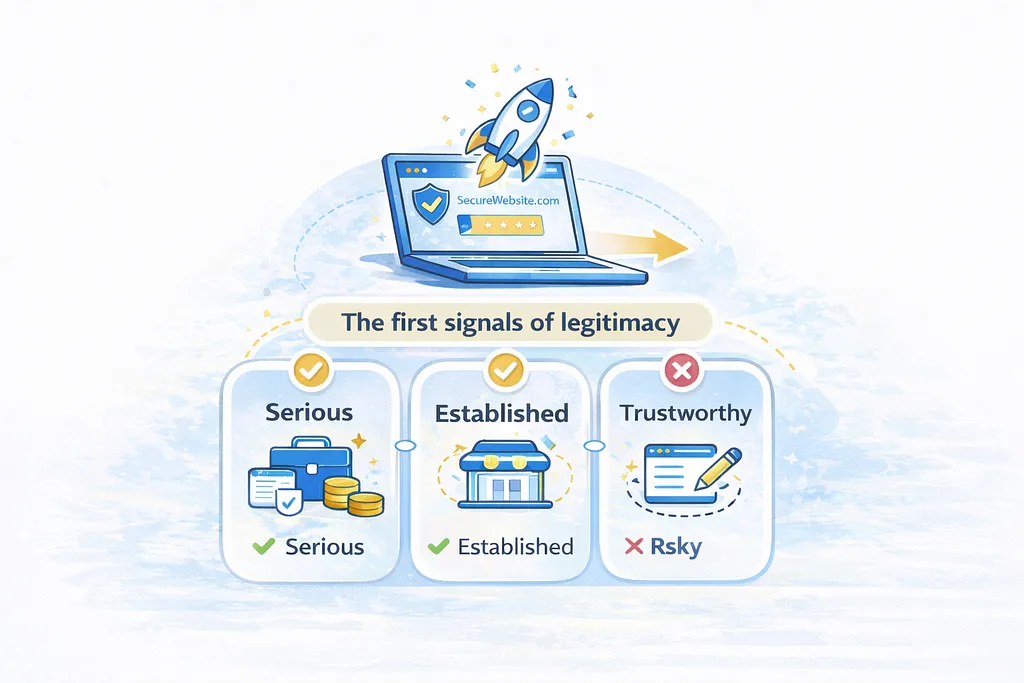
From my experience, users don’t consciously analyze design quality — but they instantly feel whether a site looks:
- serious or disposable,
- established or temporary,
- trustworthy or risky.
Key considerations
Logo
- Keep it simple and readable at small sizes
- Avoid overly detailed graphics
- Make sure it works on both dark and light backgrounds
Site Title
- Should clearly reflect the brand, not just keywords
- Avoid spammy or overly aggressive wording
- Consistency matters more than creativity here
This is not about branding awards. It’s about reducing friction when users decide whether to register or leave.
2. Social Media Configuration: Not for Marketing, for Credibility
Many platforms treat social media links as an afterthought.
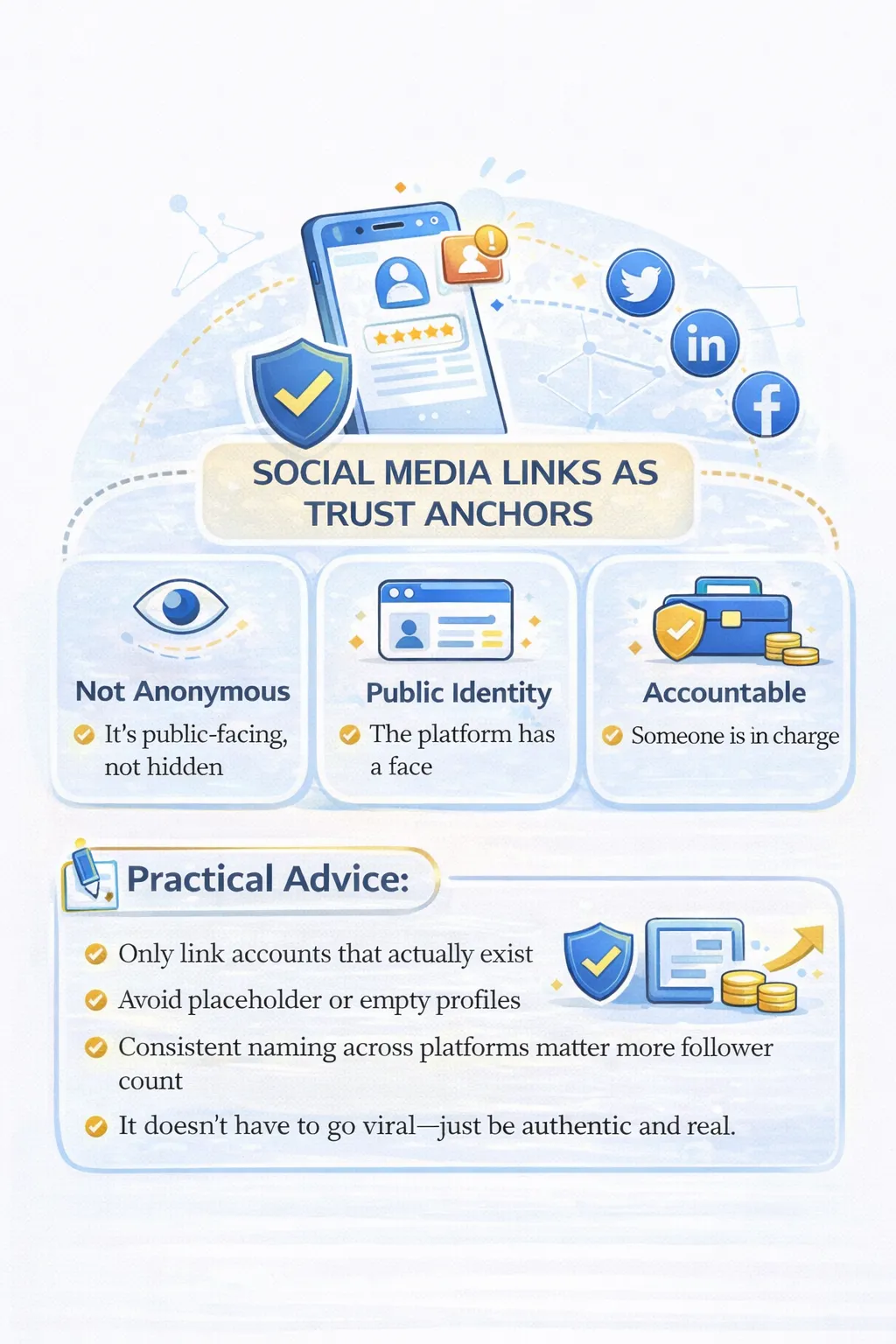
I treat them as trust anchors.
Even if users never click them, the presence of properly configured social links signals:
- the platform is not anonymous,
- there is a public-facing identity,
- someone is accountable.
Practical advice
- Only link accounts that actually exist
- Avoid placeholder or empty profiles
- Consistent naming across platforms matters more than follower count
From a risk perspective, social links also help:
- reduce fraud perception,
- increase user confidence during deposits,
- improve long-term brand consistency.
You don’t need to be active everywhere, but whatever you show must be real.
3. Banner Configuration: This Is Where Conversion Actually Starts
Banners are not decoration.
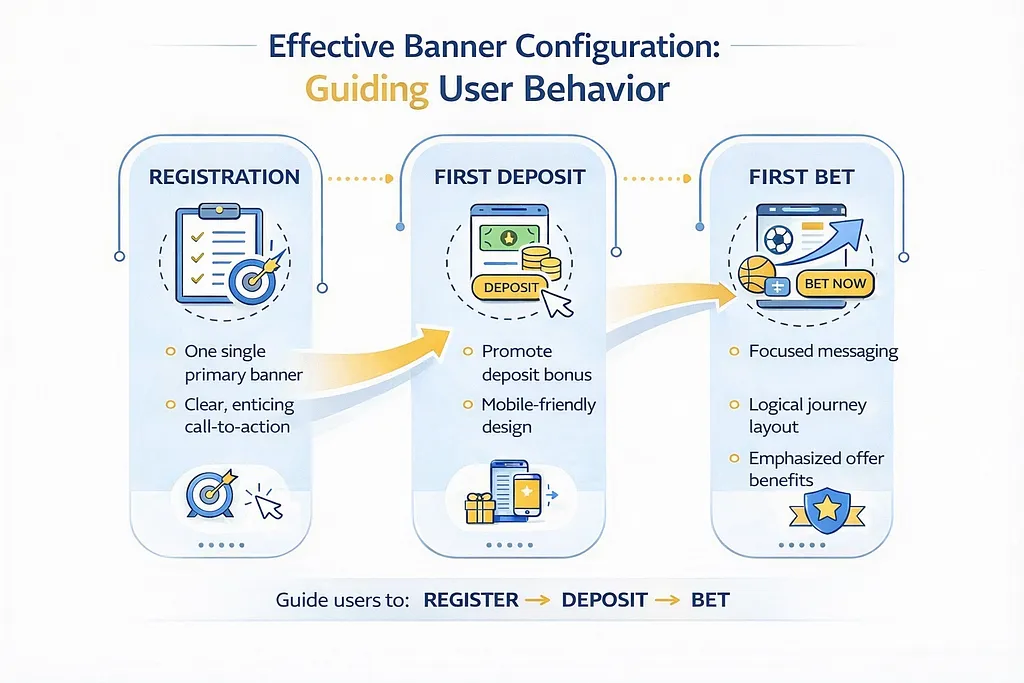
They are functional UI elements that guide user behavior:
- registration,
- first deposit,
- first bet.
Common mistakes I’ve seen
- Too many banners competing for attention
- Text-heavy designs nobody reads
- Promotions that don’t match backend rules
How I approach banners
- One primary message per banner
- Clear call-to-action
- Visual hierarchy that works on mobile first
Before uploading any banner, I ask myself:
What exact action do I want the user to take after seeing this?
If the answer isn’t clear, the banner doesn’t belong on the homepage.
4. Payment Configuration: The Real “Go / No-Go” Point
This is the most critical part of the entire setup.
A platform without reliable payments is not a platform, it’s a demo.
Payment is not just “plug and play”
From years of experience, payment failures usually come from:
- unrealistic expectations,
- poor configuration discipline,
- or ignoring edge cases.
What I focus on during setup
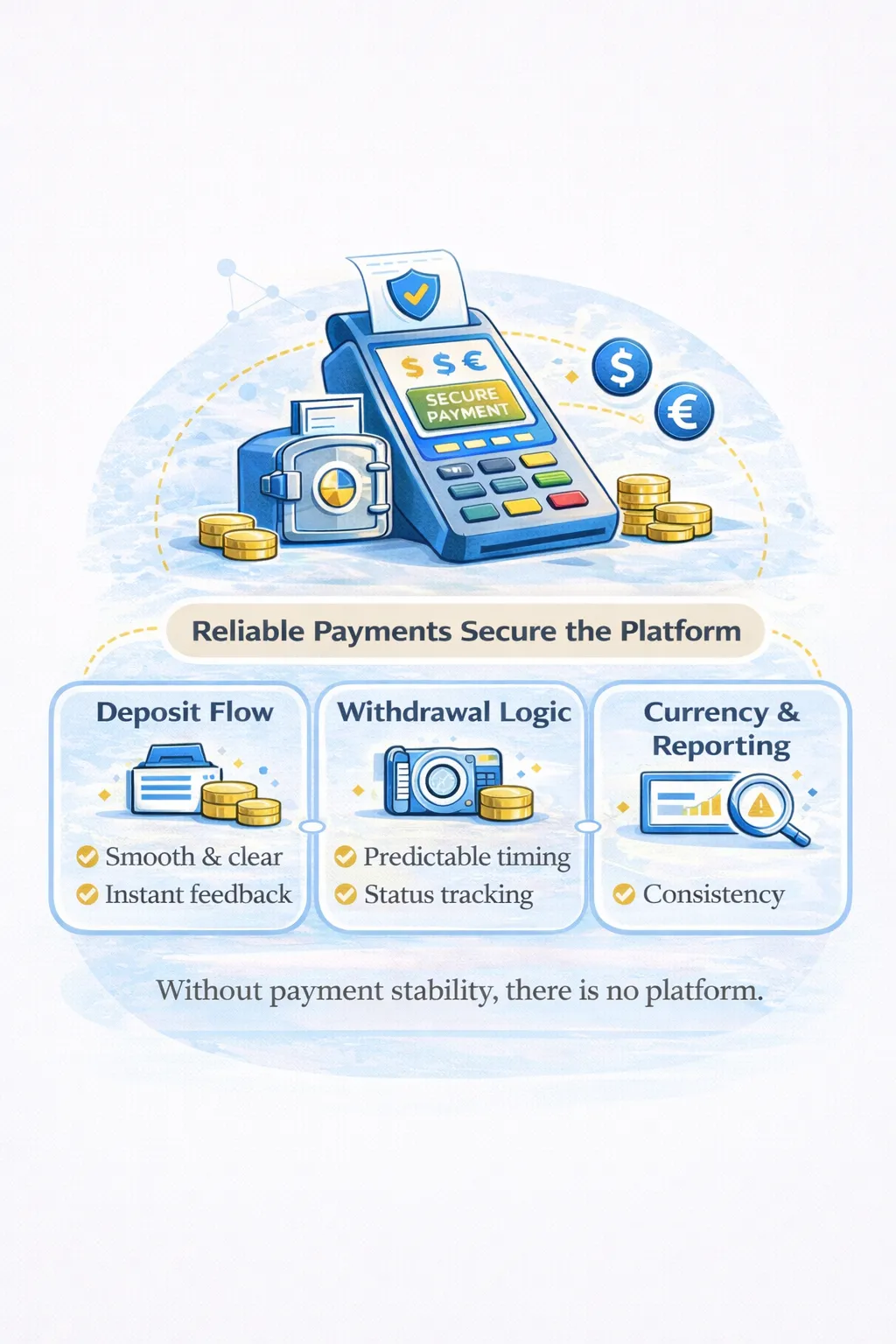
Deposit flow:
- Clear instructions
- Minimal steps
- Immediate feedback to users
Withdrawal logic:
- Transparent rules
- Predictable processing time
- Clear status tracking
Currency and reporting:
- Consistency between frontend display and backend accounting
- No hidden conversions or confusing rates
This is also where risk control begins, not later.
Payment configuration defines:
- how money enters the system,
- how it leaves,
- and how problems are detected early.
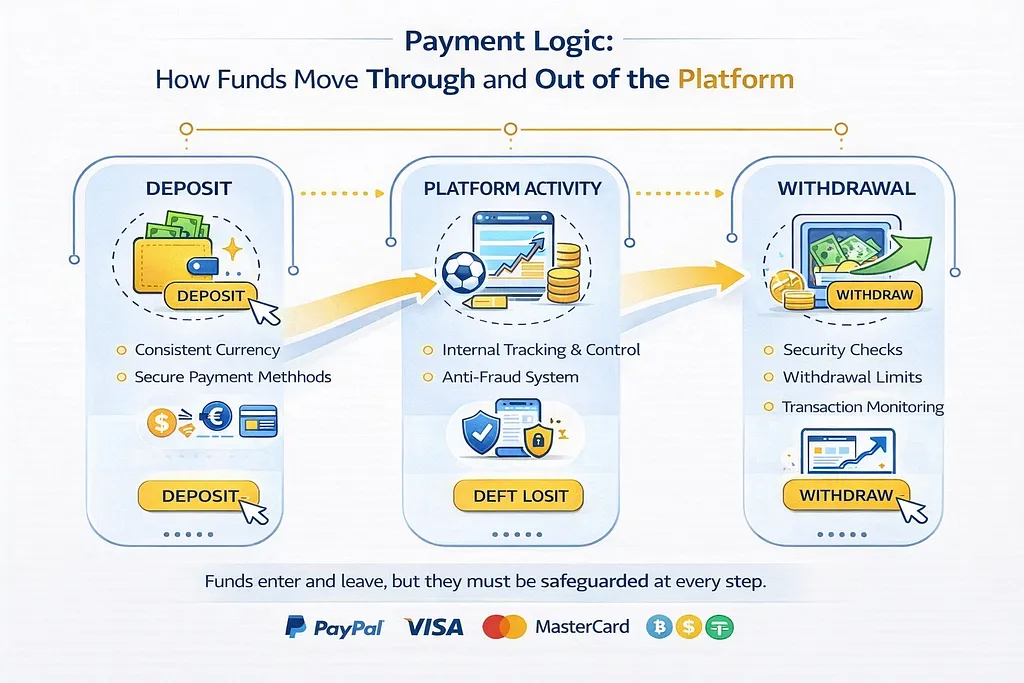
If this layer is unstable, no amount of traffic or promotion will save the platform.
Before You Call It “Live”
After finishing logo, social media, banners, and payment configuration, the site may look ready, but that doesn’t mean it is ready.
Before launch, I always verify:
- registration → deposit → play → withdrawal (end-to-end)
- reporting accuracy
- basic fraud and abuse scenarios
Only after these checks does it make sense to think about traffic or marketing.
Closing Thoughts
This stage is often dismissed as “basic setup”.
In reality, it’s where many platforms quietly fail, not dramatically, but slowly:
- users hesitate,
- deposits drop,
- trust never fully forms.
In the next article, I’ll move deeper into the system:
Account Structure & Wallet Logic: Why Many Platforms Break When They Start Scaling
This blog is about building things that last. Step by step, without shortcuts.